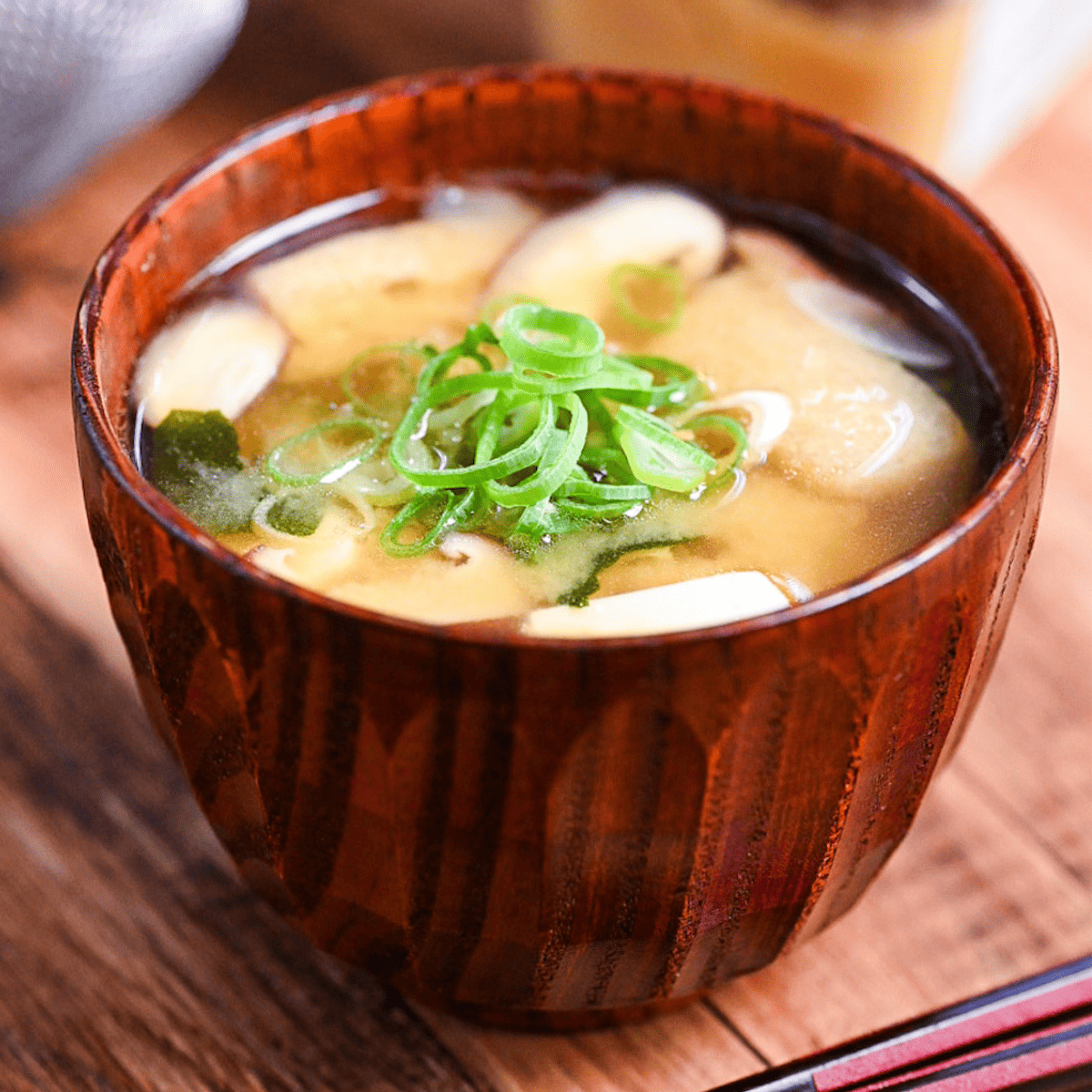
Umami Beyond Sushi
The concept of umami, often called the fifth taste, has long been a cornerstone of Japanese cuisine. But its power isn’t confined to ramen bowls and dashi stocks. As a professional marketer and writer, I see umami as the ultimate culinary secret weapon, capable of adding a profound depth and savory complexity to your everyday Western dishes—from pasta sauces to roasted vegetables.
Umamilist.com is dedicated to exploring the authentic flavors of Japan, and today, we’re bringing the essence of umami directly into your home kitchen. By incorporating these five versatile Japanese ingredients, you can effortlessly elevate your cooking and unlock a new dimension of flavor.
1. Miso Paste: The Fermented Flavor Bomb
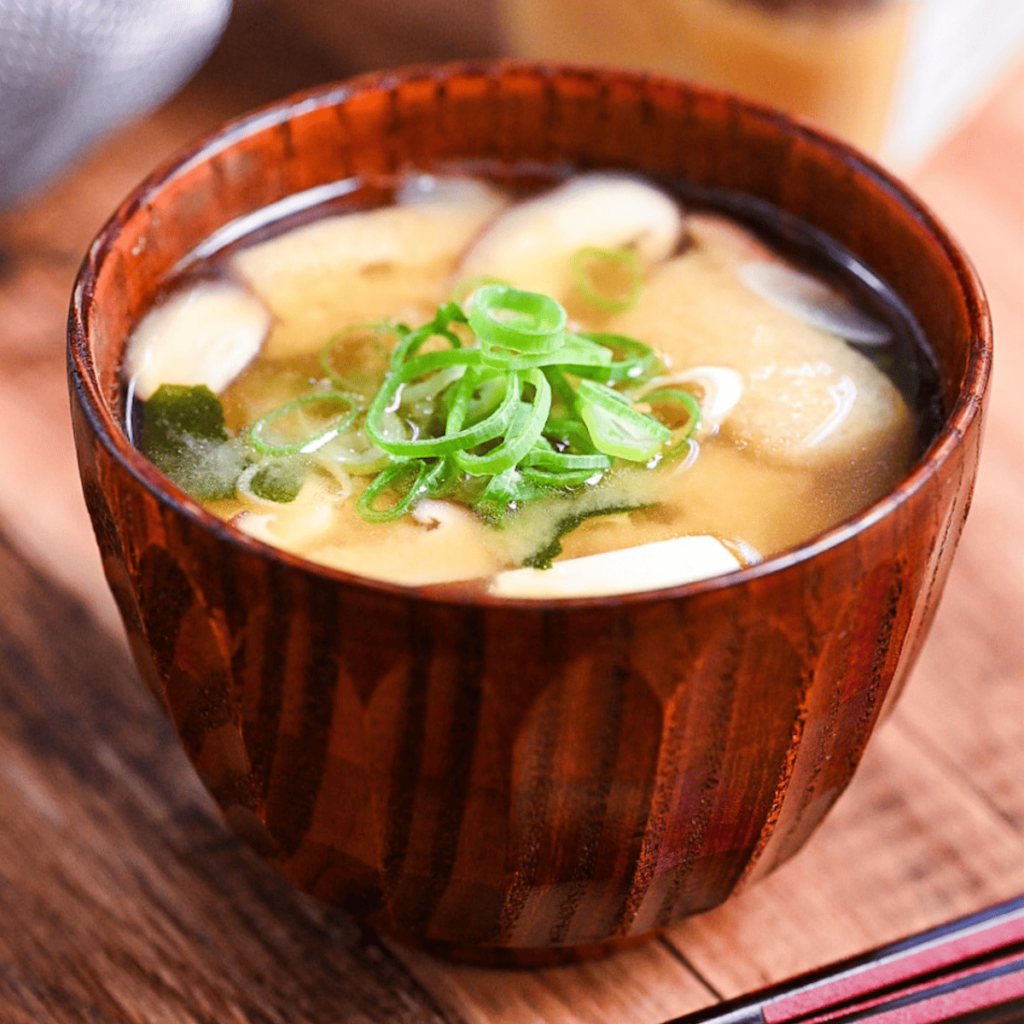
Miso is a traditional Japanese paste made from fermented soybeans, often with rice or barley. It is an umami powerhouse, rich in glutamates that provide a deep, savory foundation. While commonly used in miso soup, its application in Western cooking is surprisingly broad.
Miso Type / Flavor Profile / Western Culinary Use
Shiro (White) Sweet, mild, and light. Short fermentation. Salad dressings, glazes for fish (like cod or salmon), creamy pasta sauces (replacing Parmesan).
Aka (Red) Salty, robust, and deep. Long fermentation. Marinades for steak or chicken, stews, hearty vegetable roasts, and savory rubs.
Awase (Mixed) Balanced, versatile. Combination of shiro and aka. All-purpose seasoning, perfect for mixing into butter for toast or corn on the cob.
Try whisking a tablespoon of shiro miso into your next vinaigrette or spreading a thin layer of aka miso on your chicken before roasting.
Shop Premium Japanese Miso Paste: Elevate your pantry with authentic, small-batch miso. We recommend starting with a versatile Awase blend.
2. Kombu: The Silent Depth-Charger
Kombu is a type of edible kelp (seaweed) that is the primary source of umami in dashi, the foundational broth of Japanese cooking. Its umami comes from high concentrations of glutamic acid. Unlike other seaweeds, kombu is not meant to be eaten whole in most dishes; it’s used to infuse flavor.
How to Use Kombu in Western Dishes:
•Boost Broths: Add a small strip of kombu (about 4 inches) to any vegetable, chicken, or beef stock while simmering. Remove it before serving. It adds a subtle, non-fishy depth that makes the broth taste “more savory.”
•Soften Beans: Adding a strip of kombu when cooking dried beans (like chickpeas or cannellini) not only adds umami but also helps to tenderize them and make them more digestible.
•Infuse Oil: Gently heat a strip of kombu in olive oil, then remove it. Use the infused oil for sautéing or finishing dishes for a hint of oceanic savoriness.
Buy High-Quality Dried Kombu: Sustainably harvested kombu is the secret to a truly flavorful stock. Get yours today and taste the difference.
3. Shiitake Mushrooms: The Dried Umami King
While fresh shiitake mushrooms are delicious, it is the dried shiitake that truly packs an umami punch. The drying process dramatically increases the concentration of guanylate, a potent umami compound.
To use them, simply rehydrate the dried mushrooms in hot water. Crucially, do not discard the soaking liquid. This liquid, often called shiitake dashi, is a rich, earthy umami broth that can be used in place of water or stock in virtually any savory dish.
Dried Shiitake Use Flavor Result
Soaking Liquid Deep, earthy, mushroom-forward umami. Chewy, meaty texture with concentrated flavor.
Source Organic Dried Shiitake Mushrooms: A pantry staple for flavor depth. A small bag lasts for months and can transform dozens of meals.
4. Soy Sauce (Shoyu): Beyond the Dip
Soy sauce is perhaps the most globally recognized Japanese ingredient, but its role is often limited to dipping or stir-frying. In Western cooking, it should be treated as a seasoning, much like salt, but with the added benefits of fermentation and umami.
Advanced Soy Sauce Uses:
•Caramelization: A dash of soy sauce in a pan when searing meat or vegetables helps with browning and creates a rich, savory crust.
•Baking: Believe it or not, a teaspoon of soy sauce in chocolate cake, brownies, or caramel sauce deepens the flavor profile, balancing the sweetness without making the dessert taste salty or savory.
•Cocktails: A few drops can add a fascinating, savory complexity to cocktails like a Bloody Mary or even a unique twist on an Old Fashioned.
Discover Artisan-Brewed Shoyu: Upgrade from your supermarket brand to a centuries-old, barrel-aged soy sauce. The depth of flavor is incomparable.
5. Katsuobushi (Bonito Flakes): The Smoky, Savory Topping
Katsuobushi is dried, fermented, and smoked skipjack tuna, shaved into thin flakes. It is the second key ingredient in dashi and is incredibly rich in inosinate, another powerful umami compound that works synergistically with the glutamate in kombu.
While its primary use is for dashi, the flakes themselves can be used as a finishing touch to add a smoky, savory, and slightly fishy note to Western dishes.
•Compound Butter: Blend finely crushed bonito flakes into softened butter with a pinch of salt and pepper. Use this butter to finish grilled corn, steak, or spread on crusty bread.
•Umami Dust: Pulse the flakes in a food processor until they form a coarse powder. Sprinkle this “umami dust” over scrambled eggs, popcorn, or roasted asparagus.
•Infused Oil (Quick Method): Steep a handful of flakes in warm olive oil for 15 minutes, then strain. Use this smoky oil for drizzling over pizza or pasta.
Get Authentic Katsuobushi Flakes: Experience the smoky, savory magic of true katsuobushi. Essential for dashi, incredible for seasoning.
Your Umami Revolution Starts Now
Umami is not just a taste; it’s a feeling of satisfaction and depth that transforms good food into great food. By stocking your pantry with these five Japanese staples—Miso, Kombu, Dried Shiitake, Shoyu, and Katsuobushi—you are giving yourself the tools to conduct your own flavor revolution.
Start small: add a teaspoon of miso to your next tomato sauce, or toss a strip of kombu into your boiling water for pasta. You’ll quickly find that the secret to profoundly delicious Western cooking has been waiting for you in the heart of Japanese tradition.








Post Comment