The Golden Pearls of Hokkaido
These brilliant, plump, orange pearls, often served glistening atop a bowl of rice (ikuradon) or nestled in a perfect sushi roll, are a staple of Japanese gourmet culture, especially in their northern heartland, Hokkaido.
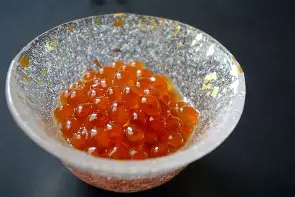
But this year, a shadow has fallen over the autumn harvest. The salmon catch in Hokkaido, which accounts for the vast majority of Japan’s domestic supply, is facing a severe crisis. Reports indicate that the chum salmon catch is expected to hit a record low, potentially half of last year’s already meager figures. This dramatic decline is a “double blow” to the industry, caused by a sharp drop in the number of returning fish and, in some areas, mass deaths.
The Price of Scarcity: Ikura Prices Soar
The direct consequence of this scarcity is a skyrocketing price for ikura. Wholesale prices for new-season, Hokkaido-sourced ikura have more than doubled, pushing the delicacy into the luxury category. For consumers and restaurants alike, the cost of a simple ikuradon has become a significant consideration.
The crisis is a stark reminder of the fragility of marine ecosystems. Experts point to climate change and rising seawater temperatures as a primary culprit. Warmer waters are believed to be reducing the availability of plankton, a crucial food source for young salmon as they migrate northward, severely impacting their survival rates [4]. The decline in Japan’s domestic supply is also putting pressure on international markets, particularly for Alaskan and Russian chum salmon, as Japan is forced to increase imports to meet demand.
Hokkaido: More Than Just Ikura
The crisis in the fisheries shines a spotlight on Hokkaido, Japan’s northernmost and second-largest island. Known for its cool climate and stunning natural landscapes, Hokkaido is a true culinary powerhouse, and its connection to salmon runs deep. While ikura is a must-try, the island offers a wealth of other salmon-based gourmet experiences:
Hokkaido Salmon Dish
Ikura Don
A simple yet luxurious rice bowl generously topped with marinated salmon roe.
Rice, Ikura (often shoyu-zuke or soy-sauce marinated)
Chan Chan Yaki
A rustic, family-style dish where salmon and vegetables are steamed and grilled on a hot plate, then mixed with a savory miso-butter sauce.
Salmon, Cabbage, Onions, Miso, Butter
Ishikari Nabe
A hearty, traditional hot pot (nabe) featuring salmon, local vegetables (like potatoes and daikon), and a rich miso-based broth.
Salmon, Local Vegetables, Miso Broth
Beyond its culinary fame, Hokkaido is a land of fascinating facts:
•Ainu Heritage: Hokkaido is the ancestral home of the Ainu people, an indigenous group with a distinct culture, language, and spiritual traditions deeply connected to nature.
•Winter Wonderland: The island is famous for its heavy snowfall and hosts the world-renowned Sapporo Snow Festival every February, attracting millions of visitors to see its massive ice and snow sculptures [7].
•Dairy and Agriculture: Unlike the rest of Japan, Hokkaido is a major agricultural hub, known for its high-quality dairy products, potatoes, and corn, earning it the nickname “Japan’s breadbasket.”
A Call to Savor
The current high price of ikura is more than just a matter of economics; it’s a reflection of a changing environment and a challenge to a cherished culinary tradition.
For those planning a trip to Hokkaido or seeking out Japanese delicacies, the experience of savoring ikura this year will be all the more precious. It’s a moment to appreciate the incredible journey of the salmon and the dedication of the fishermen, and perhaps, to reflect on the broader environmental forces at play.
Whether you choose the salty simplicity of shio ikura or the umami depth of shoyu-zuke, take a moment to truly taste the “golden pearls” of Hokkaido. They are a luxury, a tradition, and a story all in one.






Post Comment