The Secret Language of Snow: A Guide to Japan’s Unique Winter Vocabulary
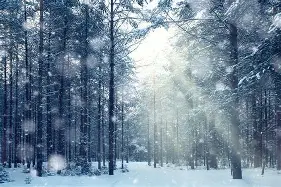
The world knows Japan for its legendary powder snow, affectionately nicknamed “Japow” by winter sports enthusiasts. But to truly appreciate the depth of Japan’s winter, one must delve into the language itself. Just as the Inuit are famed for their many words for snow, the Japanese language, particularly in the heavy snowfall regions known as Yukiguni (Snow Country), possesses a rich vocabulary that captures the subtle nuances of this frozen precipitation. This linguistic precision reflects a culture that has lived in deep harmony with the natural world for centuries.
For the international traveler, understanding these terms is more than just a linguistic exercise; it is a key to unlocking a deeper appreciation for the Japanese winter experience, from the slopes of Hokkaido to the quiet, snow-laden streets of the countryside.
The Science of the Slopes: From Powder to Granular
The most practical snow terms are those that describe the physical quality of the snow, which is crucial for skiers, snowboarders, and anyone navigating the winter landscape.
| Japanese Term | Romaji | English Translation | Description & Context |
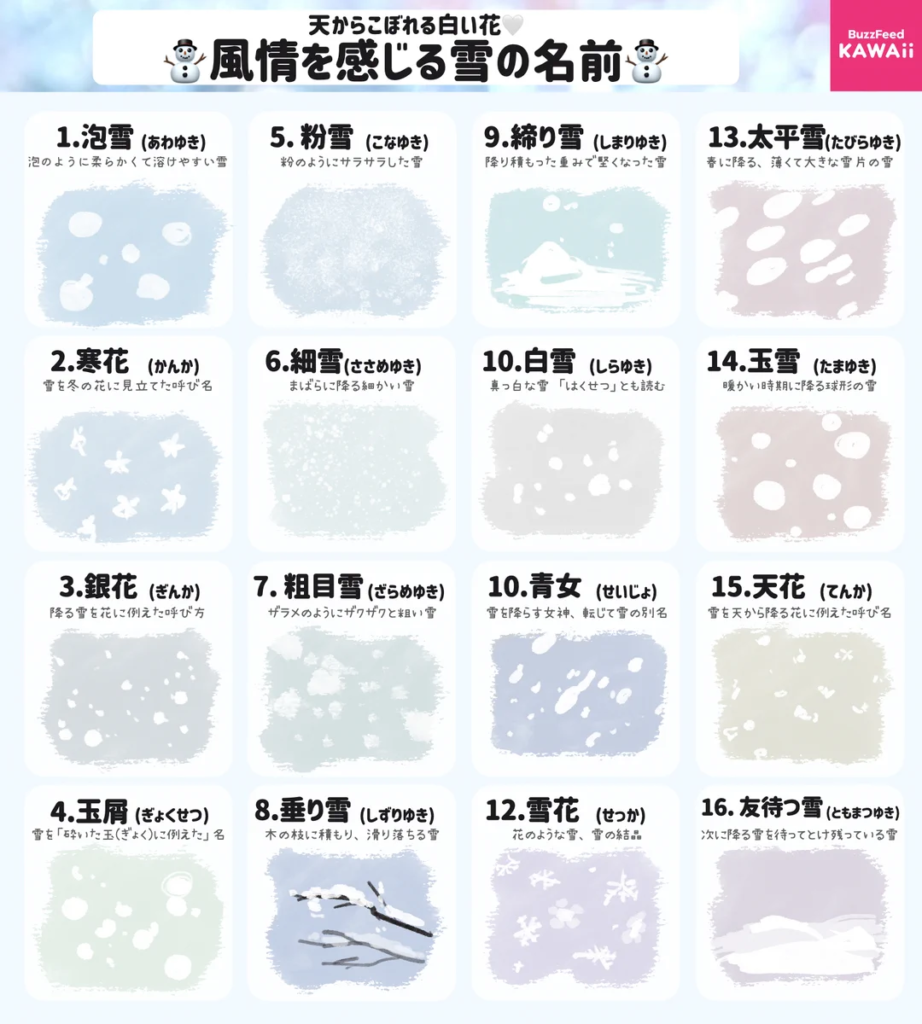
| 粉雪 | Konayuki | Powder Snow | The holy grail of snow. This is the fine, dry, and light snow with extremely low water content that makes “Japow” famous. It doesn’t stick together and is perfect for floating through on a snowboard or skis. |
| 粗目雪 | Zarame-yuki | Granular Snow | Named after zarame (coarse-grained sugar), this snow is coarse and icy. It forms after a thaw-freeze cycle, where the snow melts slightly and then refreezes into a granular texture. It is often encountered in the spring. |
| 牡丹雪 | Botan-yuki | Peony Snow | Large, heavy, and wet snowflakes that resemble the petals of a peony flower. This type of snow has a high water content and tends to stick to everything, often falling when the temperature is just around freezing. |
| 玉雪 | Tamayuki | Ball Snow | Small, round, pellet-like snow. It is typically seen during the warmer periods of winter, such as the very beginning or the very end of the season. |
| 水雪 | Mizuyuki | Watery Snow / Slush | Snow that is so wet it is almost rain. It has a very high water content and melts quickly upon contact with the ground, often signaling a shift in the weather. |
| 堅雪 | Katayuki | Hard Snow / Firm Snow | Snow that has become hard and crusty on the surface, often after a cold night. This is the snow that allows for the phenomenon of Shimiwatari. |
| 大雪 | Dokayuki | Heavy Snowfall | A term used to describe a sudden, massive amount of snow falling in a short period. This is a serious weather event that can quickly bury roads and buildings. |
The Poetic and Cultural Side of Snow
Beyond the practical classifications, the Japanese language offers words that capture the sensory and cultural experience of snow, reflecting a deep, almost spiritual connection to the winter environment.
One of the most beautiful terms is Shinshin (しんしん). This is an onomatopoeia that describes the state of snow falling quietly and steadily. Unlike the sound of rain, snow falls in silence, and shinshin perfectly encapsulates the peaceful, hushed atmosphere of a snowy night. When the snow falls shinshin, you wake up to a world completely transformed.
Another term that speaks to the unique winter life is Shimiwatari (しみわたり), which literally means “frozen passing.” This describes the phenomenon, often occurring on cold, clear mornings, where the surface of the snow is frozen solid enough to walk on without sinking. For children in Yukiguni, this is a cherished, nostalgic activity—a chance to walk across a landscape that is normally impassable.
Finally, there are the rare and whimsical terms, such as Yukimakuri (雪捲り), or “snow rolls.” This is a natural phenomenon where wind rolls snow into cylindrical shapes, creating what look like giant, naturally-made snow cake rolls.
By learning these words, you gain more than just vocabulary; you gain a window into the Japanese soul, where the beauty and challenge of the winter season are meticulously observed and celebrated. The next time you find yourself in Japan during the winter, listen closely—you might just hear the snow falling shinshin.